



Sandalwood Paste Stone (Chandan Stone) — 4 inch
🪨 Natural Stone | Fresh Chandan Paste
- Prix normal
-
Rs. 169.00 - Prix normal
-
- Prix de vente
-
Rs. 169.00
₹79 deliveryCash on Delivery available (+₹30)
Worldwide delivery · free on orders over US$90
Impossible de charger la disponibilité du ramassage
Quiet Hours
A nightly ritual — free shipping on any order, until first light
☼ Free shipping is applied automatically at checkout — no code, no minimum.
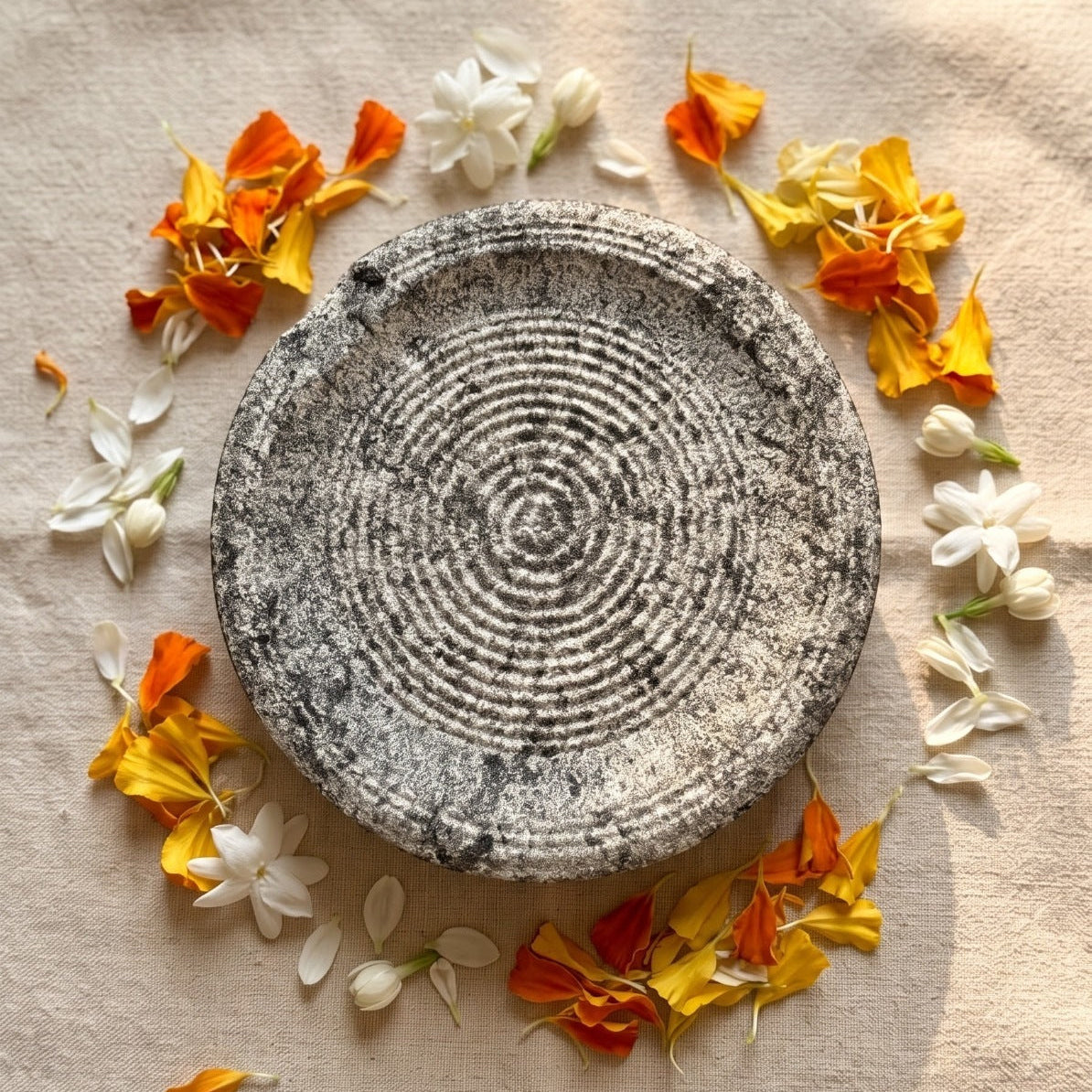
A traditional round stone for making fresh sandalwood paste (chandan) at home, the way it has been done in Indian homes for generations.
Known as santhana kal in Tamil, sahan in Marathi and chandan ghisne ka patthar in Hindi, the sandalwood paste stone turns a solid Sandalwood Stick into smooth, fragrant paste in about a minute. Add a few drops of water, rub the stick in small circles, and the ridged surface holds the paste as it forms, ready for tilak, archanai, abhishekam and alankaram.
Fresh-ground paste carries the full fragrance of the wood, with nothing added, and you grind only what each pooja needs, so a single stick goes a long way. About 4 inch (10 cm) across, it sits comfortably on a pooja shelf. Each piece is natural stone, so colour and pattern vary slightly.
Ideal for
Tilak • Archanai • Abhishekam • Daily pooja • Festival preparation
What's included
- Sandalwood Paste Stone (chandan stone), 4 inch (approx. 10 cm) diameter. Natural stone with a ridged grinding surface.
Care
Rinse with plain water after each use and let it air-dry. Avoid soap or detergent.
For pooja and tilak use only.
Need the stick too? The Sandalwood Stick & Paste Stone set brings both together for ₹799, or pair it with our Sandalwood Sticks or Sandalwood Powder.
PremaNature is a WFTO certified brand
Ingredients
Directions
Why Premanature
- Natural, chemical-free pooja essentials
- WFTO Guaranteed Fair Trade member
- Supporting Women Empowerment
- Contributing to Charitable Projects
Shipping
- Orders are shipped within 24 hours of receipt.
- INDIA - Flat Rs.79 shipping. Free shipping from Rs.599
- INTERNATIONAL - Flat $29 shipping. Free shipping from $90.
- Fast and reliable delivery at your door. DHL Express for international orders with Delivery At Place.
- Read here our return policy
Payments
Payments are safely done through Razorpay / Stripe with a PCI-DSS Level 1 (more info)
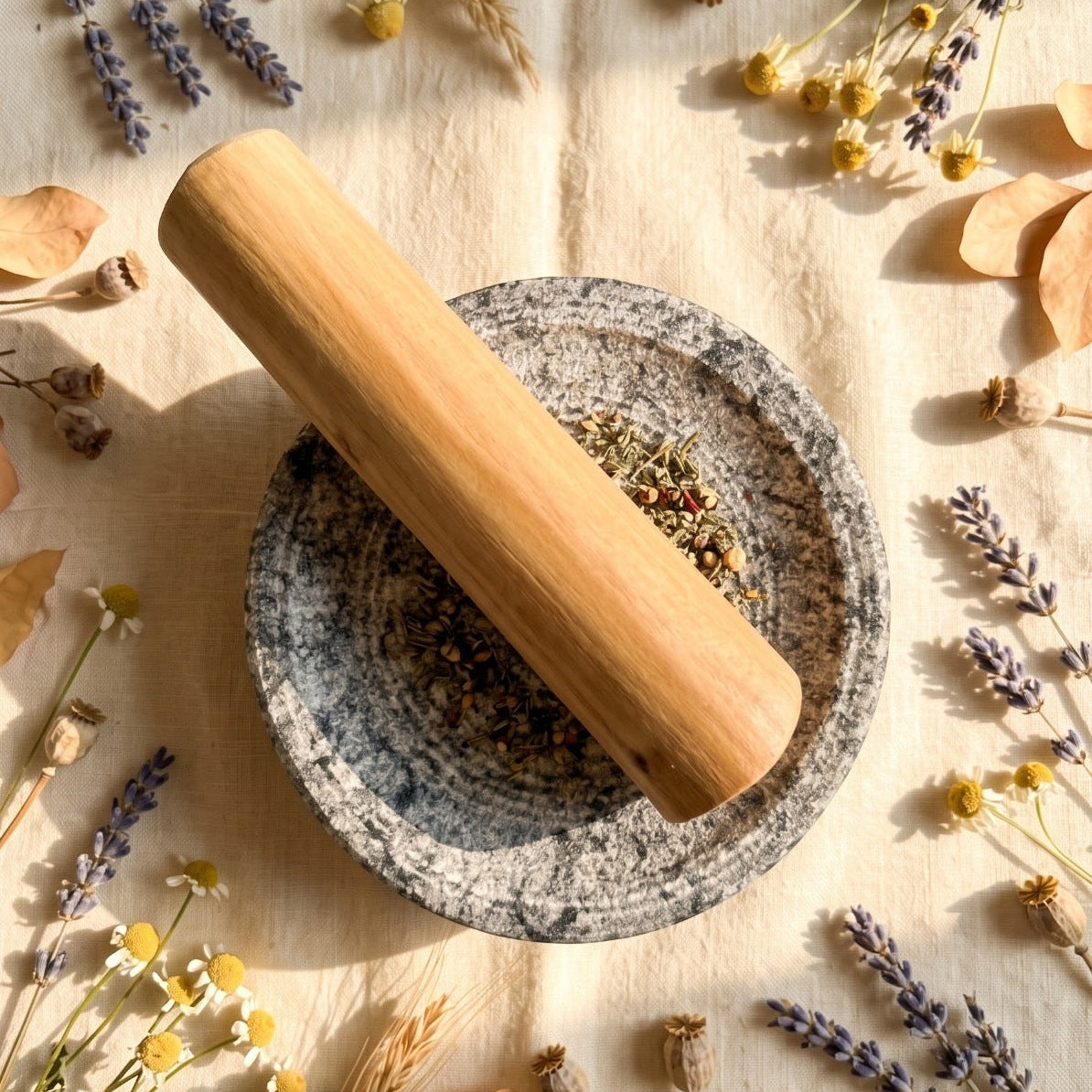
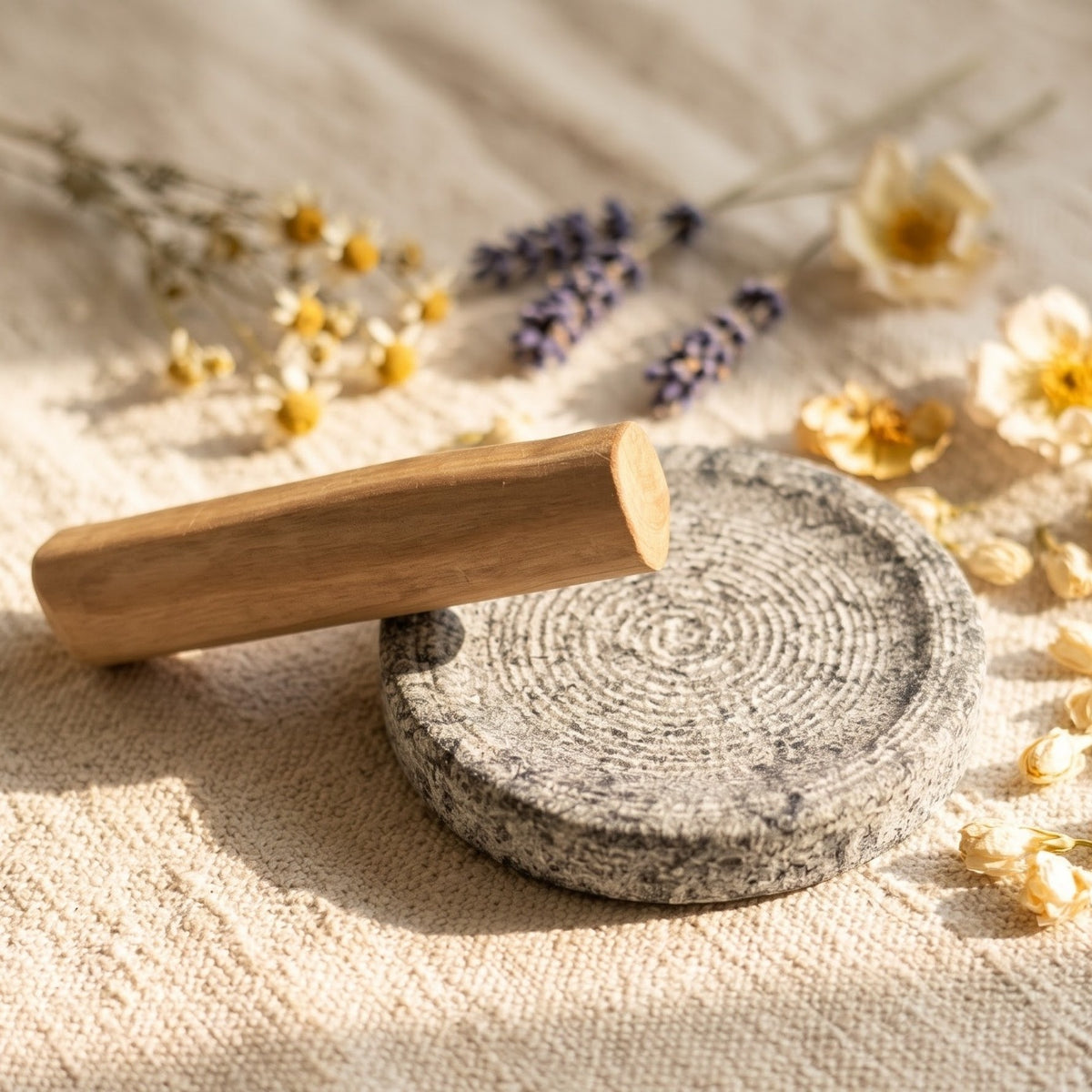

As it was meant to be...
-

Ridged Grinding Surface


A pyramid that
carries forward.
- Scan to see who gave it
- Thank them, one hand to another
- Pass the lineage on
One of one hundred, hand-crafted in South India.
Video Testimonials
FAQs
How do I make sandalwood paste on the stone?
Sprinkle a few drops of water on the ridged surface, hold a sandalwood stick upright and rub it in small circles. Within a minute a smooth, fragrant paste (chandan) collects in the ridges. Add a drop of water whenever it feels dry, then lift the paste off with a finger or a small spoon for tilak or archanai.
Why make fresh paste instead of buying ready-made?
Sandalwood paste is most fragrant the moment it is ground. Grinding on a stone gives you only what you need for each pooja, with nothing added, and a solid stick goes a long way. It is also the traditional way the paste is offered to the deity.
Can I use sandalwood powder on the stone?
Yes. Mix a pinch of sandalwood powder with a few drops of water on the stone and work it into a paste with your fingertip. A stick gives a finer, smoother paste; powder is quicker.
How do I clean and care for the stone?
Rinse it with plain water after each use and let it air-dry before storing. Avoid soap or detergent, as the stone can hold on to their smell. A light scrub with a soft brush and water removes dried paste.
Why does my stone look different from the photo?
Each piece is cut from natural stone, so colour, veining and pattern vary slightly. The size (about 4 inch, 10 cm across) and the ridged grinding surface are the same on every stone.